How do you navigate property decisions when going through a divorce in Singapore?
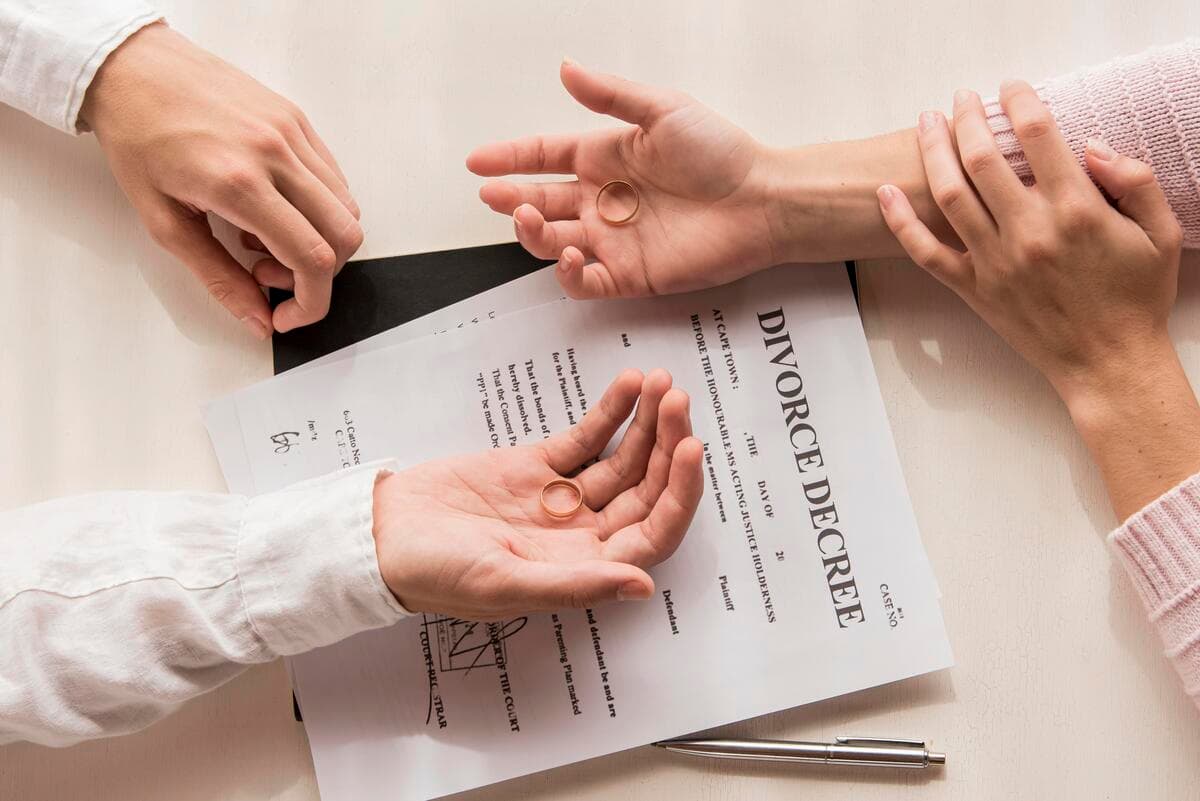
This article was originally contributed to and published on Stacked Homes. It has been slightly edited to include additional information.
For many couples, the home is not just their largest financial asset, it is also where family life was built. This makes deciding what to do with it during a divorce especially difficult. Once decisions and agreements are made, the divorce is finalised with a court order, which also includes the percentage division of assets. All property decisions made will be based on the agreed percentage each owner owns.
When going through a divorce, the most clear-cut way is to sell the property on the open market, and the division of assets happens once the sale is made, according to the court order. However, if one party decides to buy over a portion of the share, the situation becomes a bit more complicated.
Before we delve into the details, here are the definitions of phrases that we will be using:
- Transfer: Transference of ownership from one party to another, without any money involved. It could be done from parent to child, or when one owner has a very small share in the property.
- Selling: Selling of the property on the open market.
- Resale of part share: One party buys the shares of the other party.
Note: This was written 6 July 2026. For legal advice, please seek legal counsel for more accurate information.
On this page
Jump to
Menu
On this page
Jump to
Context
To make things easier, let’s take a look at Damien and Jessica, a fictional couple. Both Damien and Jessica own 50% of their marital (or matrimonial) home. Damien wants to buy over Jessica’s share and own the home fully under his name.
| Property value (at purchase) | $900,000 |
|---|---|
| Property value (now) | $1,000,000 |
| Loan amount | $675,000 |
| Remaining loan balance | $600,000 |
1Pre-M.O.P or Holding Period
If a couple divorces before the M.O.P or holding period is met, the selling party will need to pay the Seller Stamp Duty (SSD) when selling their share of the property.
For HDBs, the couple needs to appeal to the HDB for the sale, resale of part share or the transfer of ownership. In the case where the appeal is rejected, the divorce needs to be finalised after the M.O.P has been fulfilled. The amount of SSD applicable will be determined by the HDB.
Private property is a little more straightforward. The holding period starts from the exercised date. If the property was undergoing construction and fulfils the holding period during that time, there is no SSD applicable.
3 years into owning the property, Jessica will need to pay about 4% SSD of her share. Based on the value of the property, Jessica’s share is valued at $500,000, which means that she needs to pay $20,000.
2No Outstanding Loan
In the case where there is no outstanding loan and the property has exited the holding period, Damien will need to pay Jessica her share of $500,000.
The breakdown is as follows:
| Cash down payment | 5% | $25,000 |
|---|---|---|
| Cash/CPF down payment | 20% | $100,000 |
| Loan amount | 75% | $375,000 |
At the end, Jessica will receive a total of $500,000, and the actual cash received will be determined after returning the amount used and interest accrued from her CPF.
3Outstanding Loan of $600,000
In this scenario, it is more complicated. Damien will undergo what we call ‘part purchase and part refinancing’. Damien will need to obtain a home loan to finance the purchase of Jessica’s share, while also refinancing his portion of the existing loan.
Damien’s new loan has two parts:
- A loan to buy over Jessica’s 50% share of the property
- A refinancing of his portion of the existing mortgage
First, let’s look at Jessica’s share. Same as the previous scenario, the bank will finance up to 75%, which will look like this:
| Cash down payment | 5% | $25,000 |
|---|---|---|
| Cash/CPF down payment | 20% | $100,000 |
| Loan amount | 75% | $375,000 |
This totals up to $125,000 cash + CPF needed from Damien. If he does not have the required amount in his CPF, he will need to fork out the rest in cash.
The second part looks at the existing loan amount. Damien’s share of the existing loan is 50%, which the bank will need to help him finance as well.
His total loan will total up to be:
| Loan to buy over Jessica’s share | $375,000 |
|---|---|
| Damien’s share of the existing loan | $300,000 |
| Total new loan required | $600,000 |
In simple terms, Damien is borrowing $375,000 to buy over Jessica’s share, and another $300,000 to take over his part of the existing mortgage. This gives him a total new loan of $675,000. Damien will also need to take into account the Buyer Stamp Duty (BSD), that he will be liable to pay.
But what does Jessica receive from the transaction?
Jessica’s share from the property is worth $500,000. However, her share of the outstanding mortgage is $300,000, which must be redeemed from her sale proceeds.
This leaves $200,000 remaining before any CPF deductions are made.
The $200,000 is funded by:
| Damien’s cash and CPF down payment | $125,000 |
|---|---|
| Bank loan used to purchase her share | $75,000 |
Choosing The Best Path Forward
Every divorce is different, and so is every property. While understanding the legal framework is important, the decision should also take into account affordability, future plans and financing options.
Taking the time to understand the numbers can help both parties make informed decisions and move forward with more financial confidence.
Frequently Asked Questions
What happens to your home loan when you get divorced in Singapore?+−
If the property is jointly owned and has an outstanding home loan, what happens to the financing will depend on how ownership of the property is dealt with following the divorce. For example, if one party takes over the property, the existing housing loan may need to be refinanced as part of the ownership transfer.
Can I refinance my home loan after a divorce in Singapore?+−
Yes, home loan refinancing in Singapore may be an option where one party intends to retain the property. However, the borrower will generally need to qualify for the new loan based on their own financial circumstances and the bank's prevailing lending requirements.
Can one spouse buy over the other spouse's share of the property?+−
Depending on the circumstances and applicable requirements, one spouse may be able to purchase the other spouse's share. Where there is an outstanding mortgage loan, the financing may involve both buying over the spouse's share and refinancing the existing loan.
What happens to an HDB flat after a divorce in Singapore?+−
What happens to an HDB flat will depend on factors such as the court order, eligibility to retain the flat and whether the Minimum Occupation Period (MOP) has been fulfilled. The flat may ultimately be retained by one party, transferred or sold, depending on the circumstances and HDB's requirements.
Should I compare mortgage rates when refinancing after a divorce?+−
If refinancing is required, comparing home loan interest rates and loan packages from different banks can help determine which financing arrangement is suitable for your circumstances. Beyond the interest rate, borrowers should also consider factors such as lock-in periods, refinancing costs and package conditions.
How do I choose a home loan in Singapore after taking over a property?+−
The appropriate home loan in Singapore will depend on factors including your outstanding loan amount, income, loan tenure and financial commitments. Rather than looking only for the best home loan in Singapore based on headline rates, consider the overall package and whether it suits your financial situation.