|
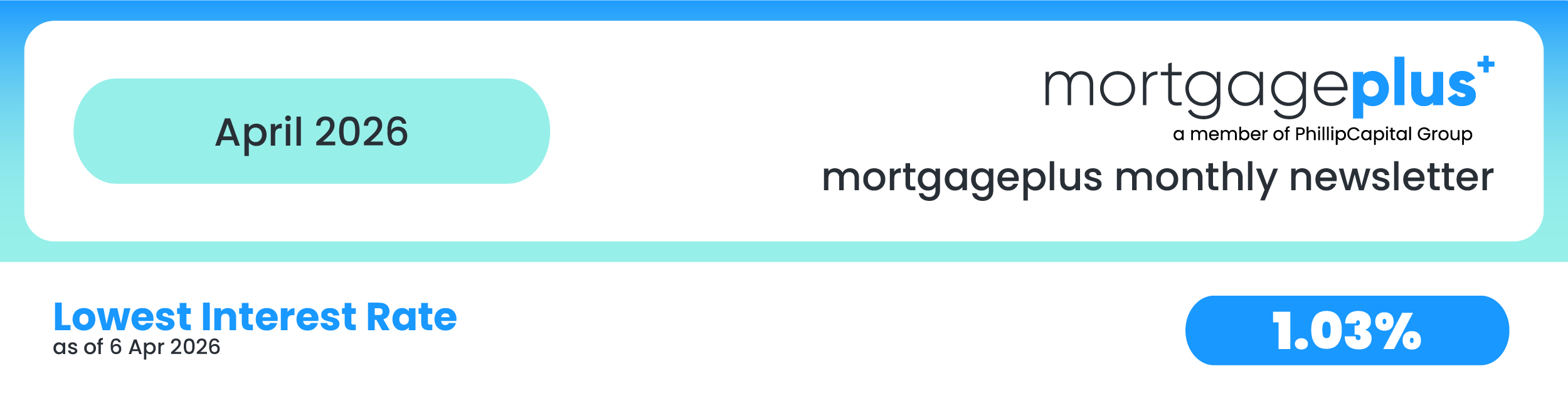
Lowest Interest Rate
|
|
as of 6 Apr 2026
|
|
|
Iran War - Seems distant, but hits closer to home than we think
|
|
(Written 19 Mar 2026)
|
|
|
|
Despite the US-Israel war on Iran happening thousands of kilometres away, the effects can be felt worldwide and will have very real consequences for Singaporeans at home.
|
|
With the war driving up global oil and energy prices, inflation risks are rising again. This puts banks like the Federal Reserve in a difficult position - we are more likely to see interest rates staying higher for longer as compared to dropping.
|
|
|
|
How does it affect interest rates on a global scale?
|
|
|
|
In response to inflation fears, increase in oil and energy prices, central banks worldwide have become more cautious, with some of them even raising interest rates to counter rising inflation.
|
|
|
|
In the UK, mortgage costs that would typically take a year to increase have now taken two weeks. According to UK-based financial information service Moneyfacts, the average two-year fixed rate has increased from 4.83% to 5.28%, effectively reversing the rate declines that happened in Jan 2025.
|
|
|
|
With the average rates hovering around 4-5%, many banks in the UK have pulled mortgage packages that previously offered competitive rates of less than 4%.
|
|
|
|
Slightly closer to home is Australia, where interest rates climbed back to a one-year high since April 2025. The current benchmark policy rates now stand at 4.1%, following a recent hike in February that raised rates from 3.6% to 3.85%.
|
|
|
|
Economists at Commonwealth Bank Australia had projected two 25 basis point increases - once in March and another one in May. With the first of these already coming into effect, rates could rise further to 4.35% after the Reserve Bank of Australia's May meeting.
|
|
|
|
What does this mean for Singaporean property owners?
|
|
|
|
In Singapore, our benchmark rates (SORA) are influenced by both domestic conditions and global interest rate trends, with the latter being largely influenced by Fed rates.
|
|
|
|
Earlier in Jan 2026, it was expected that interest rates would bottom out in Q2 of 2026. While Fed rates are currently holding steady, recent developments suggest that rate increases are more likely than rate cuts.
|
|
|
|
In the months to come, we are likely to see major local banks pull competitive interest rate packages, similar to what we see happening in the UK. There are a few banks that have indicated there will be revision to fixed rates in the month of April to reflect higher hedging cost.
|
|
|
|
Want an expert and objective view on today's mortgage rates? Our consultants are here to help, with no pressure, fees or obligation.
|
|
|
|